Introduction
The ongoing discussion of “VidIQ vs TubeBuddy” is not just about choosing a tool, but understanding how each can uniquely empower your YouTube journey.
When it comes to enhancing your YouTube experience, two names often dominate the conversation: VidIQ and TubeBuddy. VidIQ emerged as a robust analytics and optimization platform, designed to aid creators and marketers in understanding and leveraging YouTube analytics. On the other side of “VidIQ vs TubeBuddy” stands TubeBuddy which was Launched around the same time as VidIQ, TubeBuddy offers a range of functionalities including video SEO, thumbnail generation, and bulk processing options.
Both VidIQ and TubeBuddy have evolved with YouTube’s changing landscape, continually updating their features to offer the best support for creators. They not only assist in optimizing content but also provide valuable insights into YouTube’s complex algorithm, making them indispensable tools for serious YouTubers.
Table of Contents
Ease of Use : VidIQ vs TubeBuddy
In the debate of “VidIQ vs TubeBuddy,” understanding the ease of use of both platforms is crucial for users who seek efficiency and simplicity in their YouTube optimization tools.
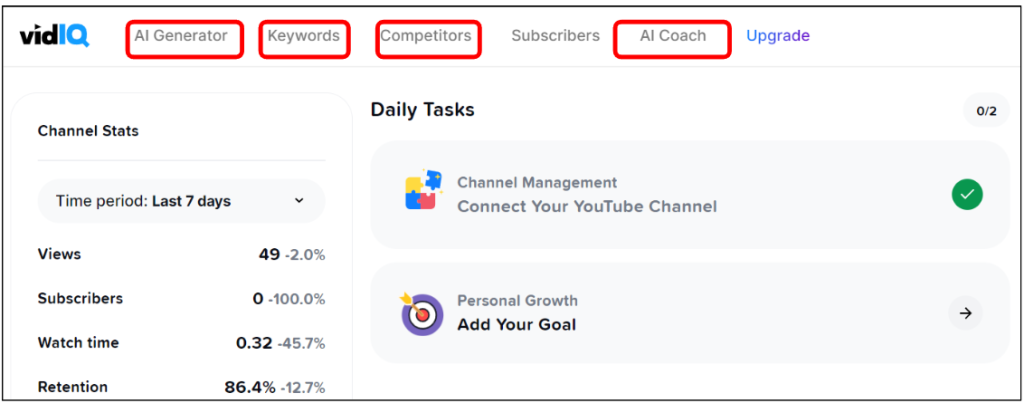
VidIQ is known for its comprehensive dashboard that presents a wealth of data at a glance. While this level of detail is invaluable for data-driven YouTubers, it can initially seem overwhelming to new users. However, VidIQ’s interface is designed with clarity in mind, using intuitive layouts and clear labelling. Over time, users tend to appreciate the depth of information provided, especially when it comes to tracking video performance and audience engagement.
In contrast, TubeBuddy often receives praise for its seamless integration with the YouTube interface. It adds a layer of functionality directly onto YouTube’s existing framework, making it feel like a natural extension of the platform. This integration minimizes the learning curve, especially for those already familiar with YouTube’s environment. TubeBuddy’s user interface is less about data visualization and more about providing practical tools—like quick links for keyword research, thumbnail generation, and video SEO—right where you need them.
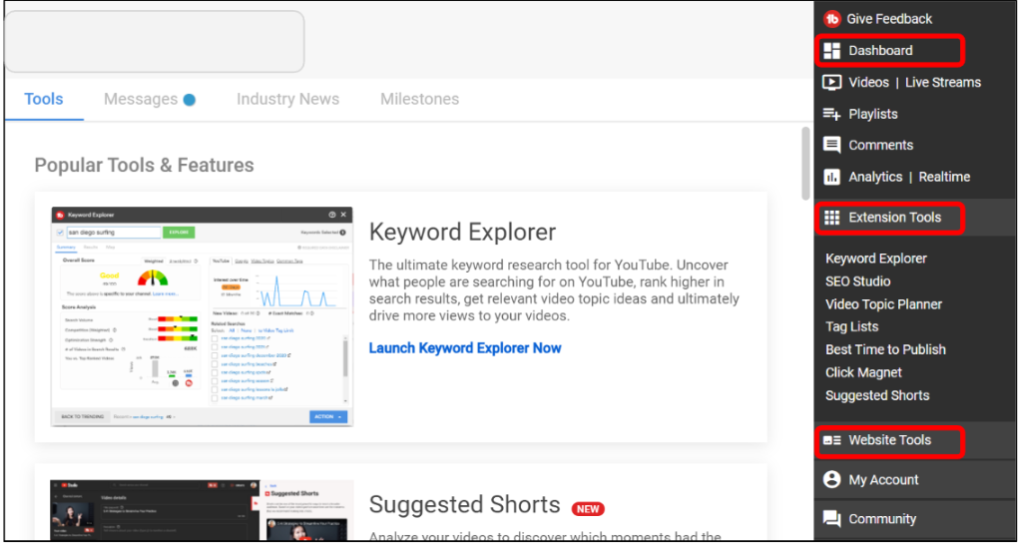
Both tools offer browser extensions, but TubeBuddy’s approach to integration makes it particularly user-friendly for daily tasks and quick adjustments. VidIQ, while requiring a bit more exploration, becomes an indispensable tool for in-depth analytics and strategic planning.
Keyword Research Capabilities VidIQ vs TubeBuddy
A critical aspect in the “VidIQ vs TubeBuddy” comparison is the keyword research capabilities each platform offers. This feature is essential for creators looking to optimize their content for better visibility and engagement on YouTube.
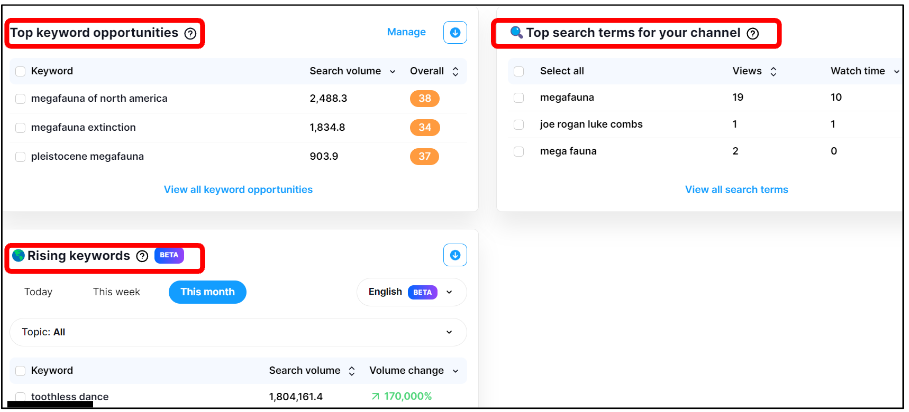
VidIQ excels in providing extensive keyword research. Its keywords tool offers detailed insights into a keyword’s search volume, competition, related and matching terms. This information is vital for creators to understand what audiences are searching for and how competitive a particular keyword is. VidIQ also offers a unique feature called “Top Keyword Opportunities” which identifies keywords that a channel could rank for, based on its current performance and competition levels. This proactive approach to keyword research helps in strategizing content to target less competitive niches. VidIQ also provides additional powerful functionalities:
- Top Search Terms for Your Channel: This feature is particularly beneficial as it reveals the keywords driving the most search traffic to your channel. By understanding which keywords are already working in your favor, you can tailor your content strategy to capitalize on these terms, reinforcing your channel’s strengths.
- Rising Keywords: VidIQ’s new rising keywords tool is a treasure trove for content inspiration. It identifies trending topics on YouTube by tracking keywords that are experiencing significant jumps in search volume. This foresight enables creators to align their content with emerging trends, potentially increasing visibility and audience engagement. By leveraging these insights, you can stay ahead of the curve, creating content around topics that are gaining traction but may not yet be oversaturated.
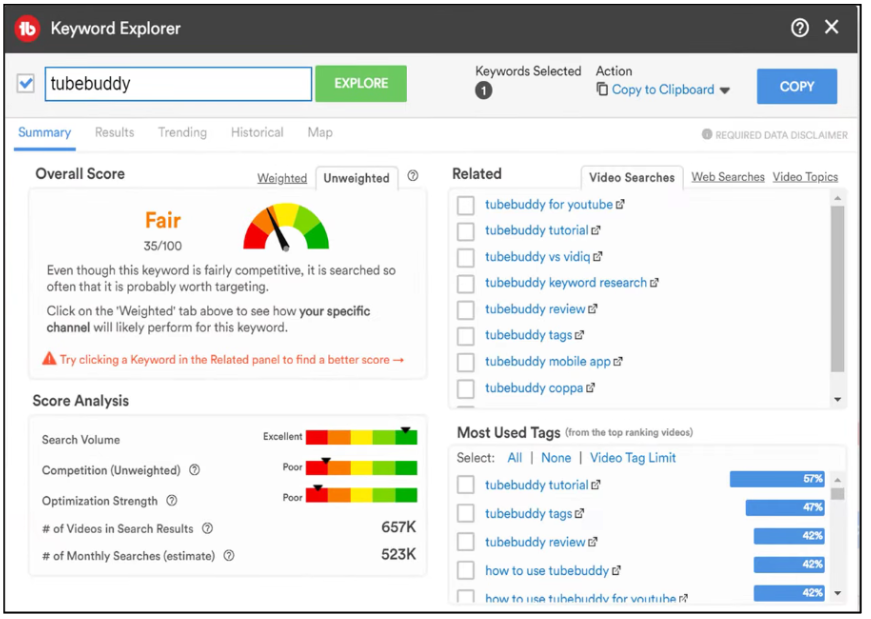
TubeBuddy, in contrast, takes a more streamlined approach to keyword research. Its keyword explorer tool offers an intuitive interface with a straightforward effectiveness score. This tool simplifies the process of evaluating keyword potential, making it accessible even to beginners. TubeBuddy’s focus is on delivering quick, actionable insights, helping creators to efficiently identify and utilize keywords without getting bogged down in data.
Analytics and Reporting VidIQ vs TubeBuddy
In the ongoing “VidIQ vs TubeBuddy” discussion, a crucial aspect to consider is the analytics and reporting capabilities of each platform. These features are fundamental for YouTubers who need to track their performance and understand their audience better.
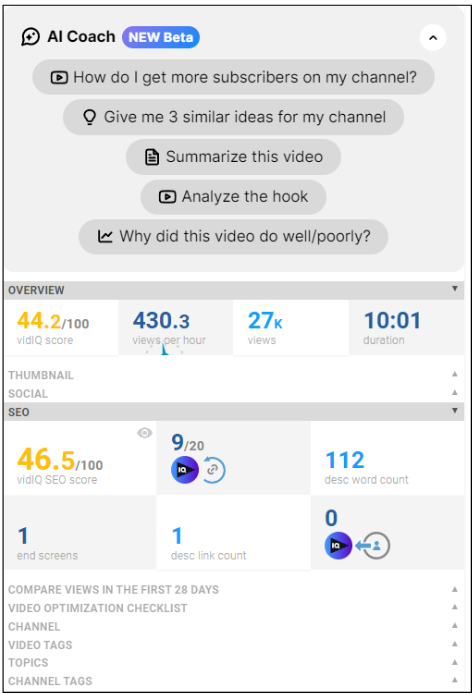
VidIQ offers an extensive range of analytics features. Its strength lies in the depth and comprehensiveness of the data presented. Creators can access detailed insights about their audience demographics, watch time, and engagement metrics. VidIQ also provides real-time stats, which are essential for tracking the immediate impact of newly released content. Additionally, its Competitors Tool allows creators to benchmark their channel against others, offering valuable insights into their performance in the broader YouTube ecosystem. This level of detail is invaluable for those who base their content and growth strategies on data-driven insights.
TubeBuddy, while providing a robust set of analytics tools, focuses more on accessibility and ease of interpretation. Its reporting features are integrated directly into the YouTube dashboard, providing a seamless experience. TubeBuddy excels in offering actionable insights, such as suggesting the best time to publish videos based on audience online presence. It also provides simplified health reports of the channel, making it easier for creators to grasp their overall performance quickly. This approach is particularly beneficial for those who prefer a more straightforward, less data-intensive overview.
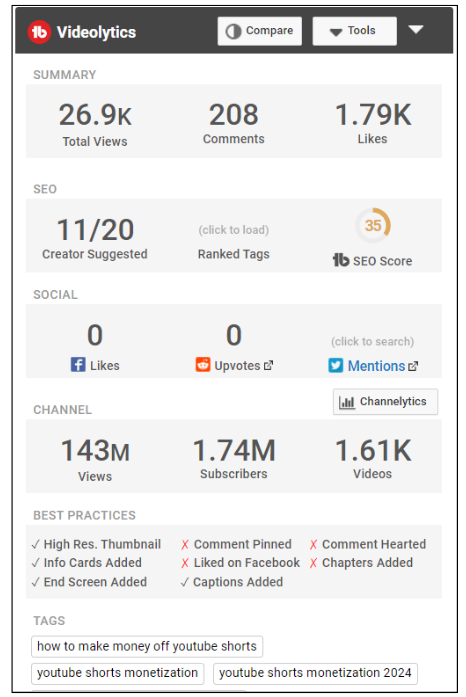
Both platforms offer valuable analytics, but their approach differs: VidIQ goes deeper into the analytical aspect, providing a wealth of data, whereas TubeBuddy offers a more streamlined, easy-to-digest overview.
SEO Features: VidIQ vs TubeBuddy
When examining the SEO features of VidIQ and TubeBuddy, a key part of the “VidIQ vs TubeBuddy” debate, it’s important to understand how each tool aids creators in optimizing their YouTube content for search engines.
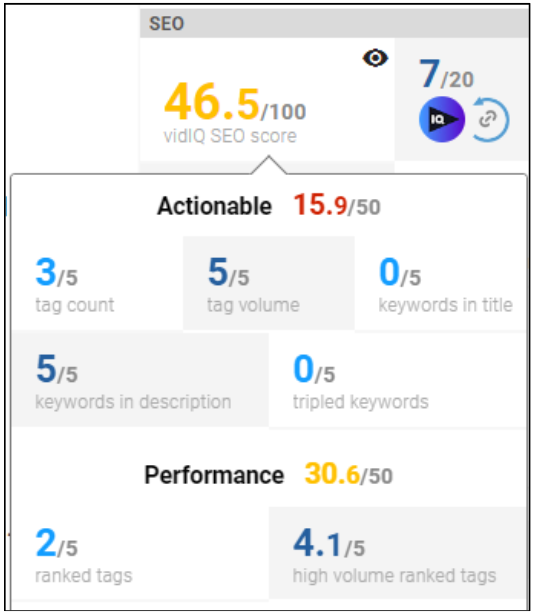
VidIQ provides a robust set of SEO features designed to enhance video visibility and ranking. One of its standout features is the SEO Scorecard, which offers a comprehensive analysis of how well a video is optimized based on factors like title, description, tags, and more. VidIQ also provides keyword suggestions to improve a video’s findability and a checklist to ensure each video meets basic SEO standards. Additionally, its feature for tracking keyword rankings helps creators understand where their videos stand in YouTube search results for specific keywords.
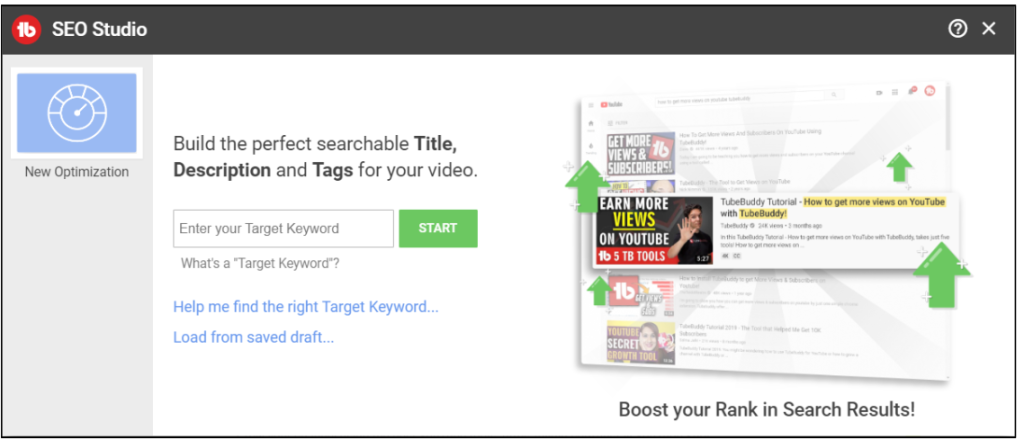
TubeBuddy, on the other hand, focuses on simplifying the SEO process. Its Tag Explorer tool is highly acclaimed for helping creators find effective tags for their videos. TubeBuddy also offers an SEO Studio, which guides users through the process of optimizing their video titles, descriptions, and tags, providing real-time feedback on the SEO strength of their content. This approach is particularly user-friendly, especially for those new to SEO or who prefer a more guided experience.
Both platforms offer invaluable tools for SEO, but their approaches cater to different user needs: VidIQ offers in-depth analysis and data-driven suggestions, while TubeBuddy provides a more streamlined, step-by-step approach to optimization.
Video Optimization : VidIQ vs TubeBuddy
In the “VidIQ vs TubeBuddy” comparison, understanding how each platform contributes to video optimization is key for creators looking to enhance their YouTube content’s performance.
VidIQ offers a range of features designed to optimize videos effectively. One notable plan is the VidIQ Boost, which provides targeted keyword suggestions, helping creators to optimize their video titles, descriptions, and tags. This package is particularly useful for enhancing video discoverability. VidIQ also offers a Best Time to Post feature, advising creators on the optimal times for uploading their content to maximize viewer engagement. Furthermore, VidIQ provides video health scores and actionable recommendations based on the analysis of your video’s performance metrics.

VidIQ’s popular Boost plan has integrated AI technology into several of its features, enhancing its video optimization capabilities. The AI-driven aspect of VidIQ Boost, for example, uses machine learning to analyse vast amounts of data, offering highly relevant keyword suggestions. This AI analysis helps in understanding what content resonates with specific audience segments, allowing creators to tailor their titles, descriptions, and tags more effectively.
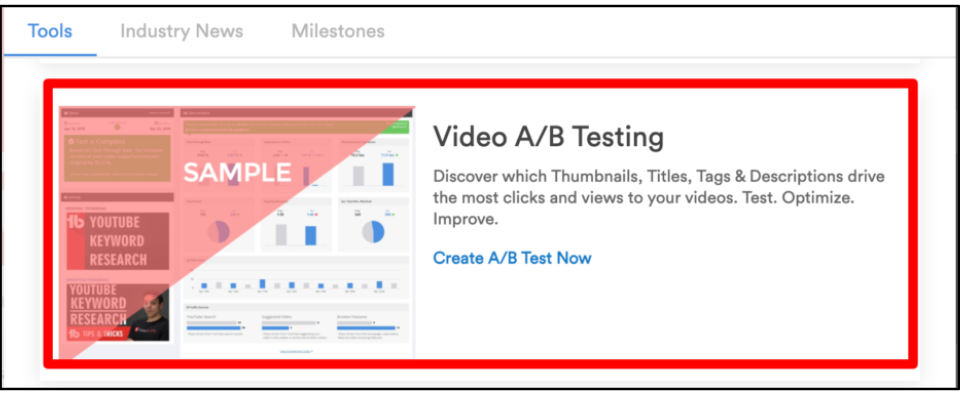
TubeBuddy also incorporates AI in its tools, focusing on practical, everyday optimization tasks. The Video A/B Testing feature, powered by AI, is particularly notable. It enables creators to compare different video elements – like titles and thumbnails – and uses AI to determine which variations drive better performance. This data-driven approach takes the guesswork out of optimization, providing clear, actionable insights. Furthermore, TubeBuddy’s End Screen Templates and Card Templates are also invaluable for increasing viewer engagement and retention, guiding creators on how to effectively use these YouTube features. Additionally, its Bulk Processing tools enable easy updates to video metadata across multiple videos, saving time and ensuring consistency in optimization efforts.

The implementation of AI in both VidIQ and TubeBuddy has significantly enhanced their video optimization offerings. VidIQ’s AI excels in providing deep, data-driven insights for content strategy, while TubeBuddy’s AI streamlines the optimization process, making it more efficient and effective.
Pricing and Plans: VidIQ vs TubeBuddy
A vital aspect in the “VidIQ vs TubeBuddy” comparison is understanding the pricing and plans offered by each tool. This information is crucial for creators to choose a service that fits both their needs and budget.
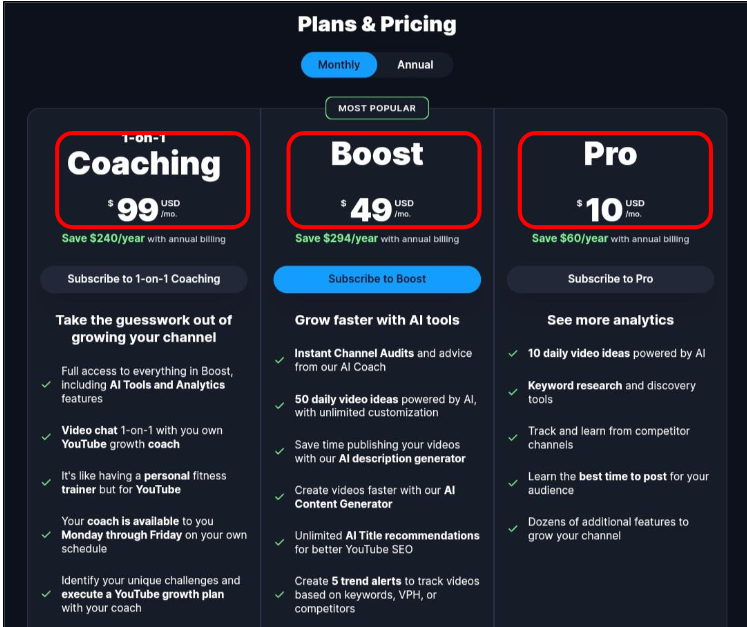
VidIQ offers several pricing tiers, catering to a range of user needs:
- Free Plan: Ideal for beginners, it includes basic tools like video scorecard and basic analytics.
- Pro Plan (starting at $10/month): Targets individual creators looking to grow their channel. It offers more advanced keyword research tools and historical data analysis along with AI optimization.
- Boost Plan (starting at $49/month): Designed for serious content creators and businesses. This plan includes all Pro features plus competitive analysis, trend alerts, and AI SEO optimizations.
- 1-ON-1 Coaching (starting at $99/month ): This unique offering is perfect for creators and businesses seeking personalized guidance. Unlike a traditional plan, this service involves asynchronous video chat with a dedicated coach. Creators can leave video messages for their coach, who then responds with video messages, offering feedback on titles, thumbnails, or celebrating successes. This flexible format does not require aligning calendars or considering time zones, making it ideal for busy creators who value direct, tailored advice at their convenience.
TubeBuddy also has a tiered pricing structure which is as follows :
- Free Plan : Good for new YouTubers, with basic tools like tag suggestions and basic analytics.
- Pro Plan ($7.50/mo) : This plan includes access to search optimization features, which are crucial for improving a video’s visibility in search results. Although it offers limited access to video engagement tools compared to other plans ,these tools are still invaluable for understanding and enhancing audience interaction with the content. Additionally, the pro plan provides a range of educational resources like guides, insider tips, and informative content, aiding creators in learning effective YouTube strategies and best practices.
- Legend Plan ($32.99/mo) : This plan grants access to all 50+ tools and features available on TubeBuddy. It includes unlimited search rank optimization and tracking, allowing creators to continuously refine and monitor their content’s performance in YouTube search results. The Plan also offers advanced functionalities like Video A/B tests and title generators, tools essential for fine-tuning video elements to maximize viewer engagement. Additionally, it provides predictive analytics and a competitor scorecard, giving users a competitive edge. Another significant advantage of this plan is unlimited access to all of TubeBuddy’s AI features, leveraging cutting-edge technology to offer insights and optimizations that can transform a channel’s growth trajectory.
- Enterprise Plan (custom pricing ) : For brands and businesses aiming to amplify their presence and grow their channels on YouTube. This plan is the ultimate choice for those who require unrestricted access to all of TubeBuddy’s tools, enabling them to rank faster on the platform while saving time and money. Included in this plan are all the features available in the Pro and Legend tiers, supplemented by several exclusive services like 1:1 training sessions and advanced AI analytics and coaching.
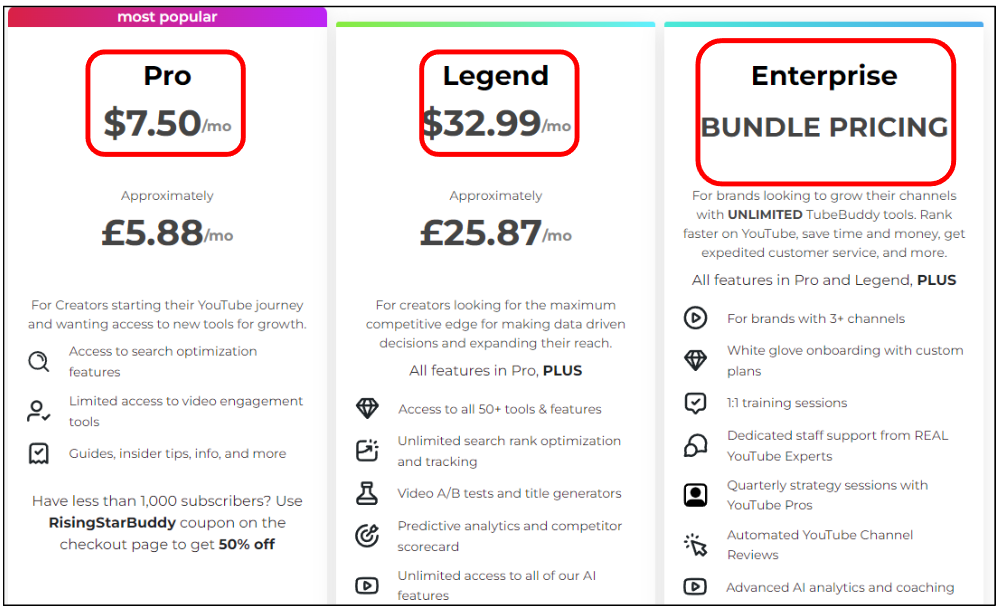
Both VidIQ and TubeBuddy offer a range of plans to suit different types of users, from casual creators to professional YouTubers and businesses. The higher the plan, the more advanced the features, with both services offering significant value at each level.
Integration with YouTube: VidIQ vs TubeBuddy
A key factor in the “VidIQ vs TubeBuddy” comparison is how each tool integrates with YouTube. Seamless integration is crucial for a smooth user experience, especially when managing and optimizing a YouTube channel.
VidIQ offers a high level of integration with YouTube, primarily through its browser extension. This integration allows users to access VidIQ’s features directly within the YouTube interface. For instance, the VidIQ sidebar appears next to YouTube videos, providing real-time analytics and insights. This close integration enables creators to make informed decisions about their content directly on YouTube, without the need to switch between different applications or windows. Additionally, VidIQ’s integration extends to its mobile app, allowing users to track their channel’s performance on the go.
TubeBuddy stands out for its comprehensive integration with YouTube, primarily as a browser extension but also through its mobile app. The tool is embedded directly into the YouTube dashboard, streamlining the video upload and editing process with easy access to keyword research, tag management, and optimization features. This seamless integration is a significant time-saver, allowing creators to perform essential tasks without leaving the YouTube interface. Additionally, TubeBuddy’s mobile app extends this functionality, enabling users to manage their channel and access key features on the go. The app’s user-friendly design ensures that important tools are always within reach, enhancing the overall user experience and making channel management more flexible and accessible.
Community and Support: VidIQ vs TubeBuddy
VidIQ boasts a robust support system. Their customer service is known for being responsive and helpful, addressing user queries and issues effectively. Additionally, VidIQ nurtures a vibrant online community. They host an informative blog and a YouTube channel filled with tutorials, tips, and industry insights, which is incredibly useful for both new and experienced creators. VidIQ also conducts regular webinars and live Q&A sessions, providing users with opportunities to learn and get direct support. This level of engagement not only fosters a sense of community but also ensures that users can make the most out of their VidIQ experience.

TubeBuddy, on the other hand, is renowned for its exceptionally active and supportive community. They have a dedicated forum where users can interact, share experiences, and offer mutual support. TubeBuddy’s customer support is commendable, with quick response times and effective solutions. The platform also offers a wealth of educational content, including a YouTube channel with tutorials and tips, helping users to leverage TubeBuddy’s features to the fullest. Furthermore, TubeBuddy frequently engages with its user base through social media, webinars, and live events, enhancing the sense of community and belonging among its users.

Content Planning and Scheduling: VidIQ vs TubeBuddy
In the arena of “VidIQ vs TubeBuddy,” content planning and scheduling capabilities are key features that can significantly enhance a creator’s productivity and channel growth. Both tools offer functionalities in this area, but they approach it in different ways.
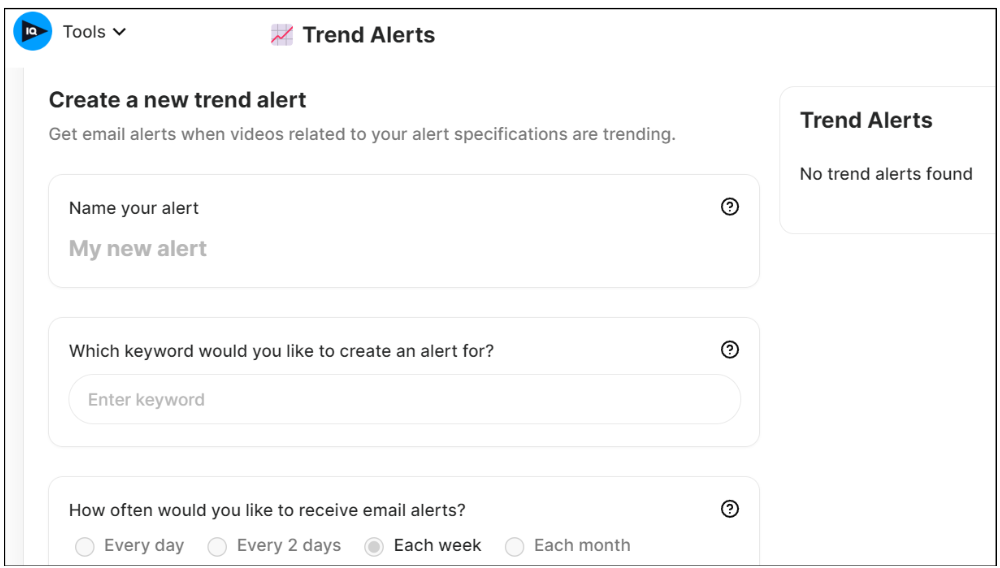
VidIQ provides creators with powerful content planning tools. One of its notable features is the Trend Alerts, which notify users about emerging trends relevant to their content or niche. This feature is invaluable for planning content that is timely and likely to engage audiences. VidIQ also offers video analytics that can inform content planning, such as identifying which types of videos are performing best on your channel. While VidIQ does not have a direct video scheduling feature, its analytics and insights aid significantly in planning out content strategies and determining what to publish and when.
TubeBuddy, in contrast, includes direct content scheduling features. Their Video Upload Scheduler allows creators to schedule videos to be published at a future date and time, a function that is incredibly useful for maintaining a consistent posting schedule. TubeBuddy also offers a Bulk Processing feature, enabling creators to update video metadata in bulk, which is a huge time-saver for content planning and management. Additionally, TubeBuddy provides insights on the best times to post based on audience engagement data, helping creators optimize their upload schedules for maximum reach and engagement.
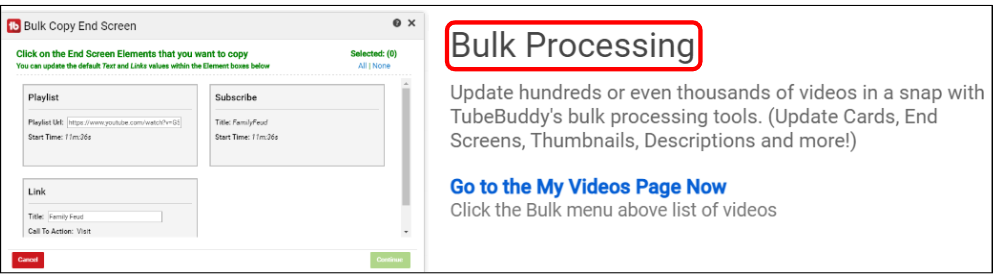
Both VidIQ and TubeBuddy offer valuable tools for content planning and scheduling, with VidIQ focusing more on strategic planning through trend analysis and TubeBuddy providing practical scheduling tools.
Competitor Analysis Tools: VidIQ vs TubeBuddy
Competitor analysis is a critical element for any content creator on YouTube, and in the “VidIQ vs TubeBuddy” comparison, both platforms offer distinct tools to help users understand and analyze their competition.
VidIQ shines in the area of competitor analysis with its comprehensive set of features. The Competitors Tool allows users to track other channels, providing insights into their content strategies, audience engagement, and growth patterns. This tool is particularly useful for identifying what is working well for competitors and discovering potential areas for improvement in your own strategy. VidIQ also reveals what keywords other channels are ranking for, giving users a chance to explore new keyword opportunities for their content. These features make VidIQ a strong contender for creators who want to conduct in-depth competitor analysis and refine their content strategy accordingly.

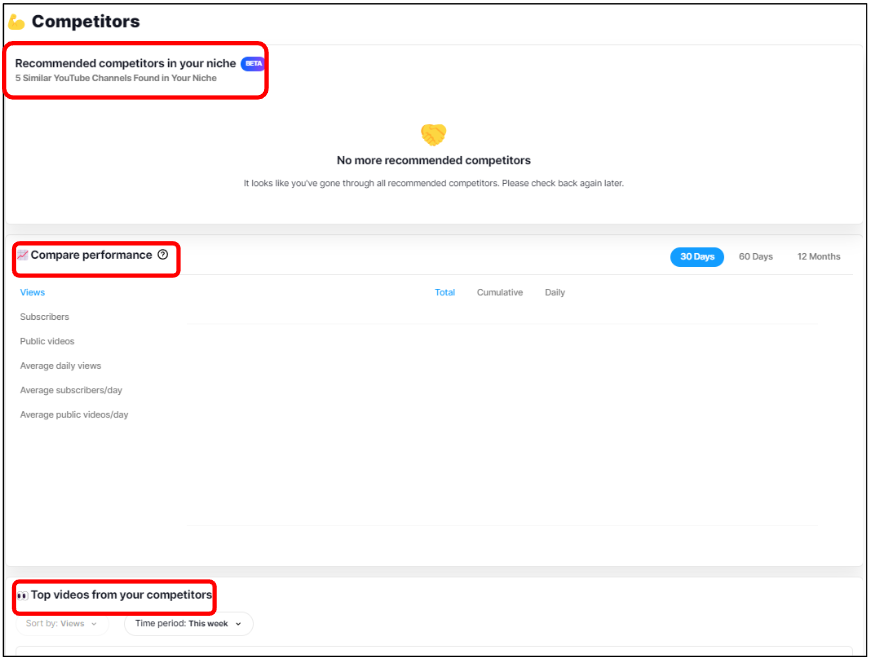
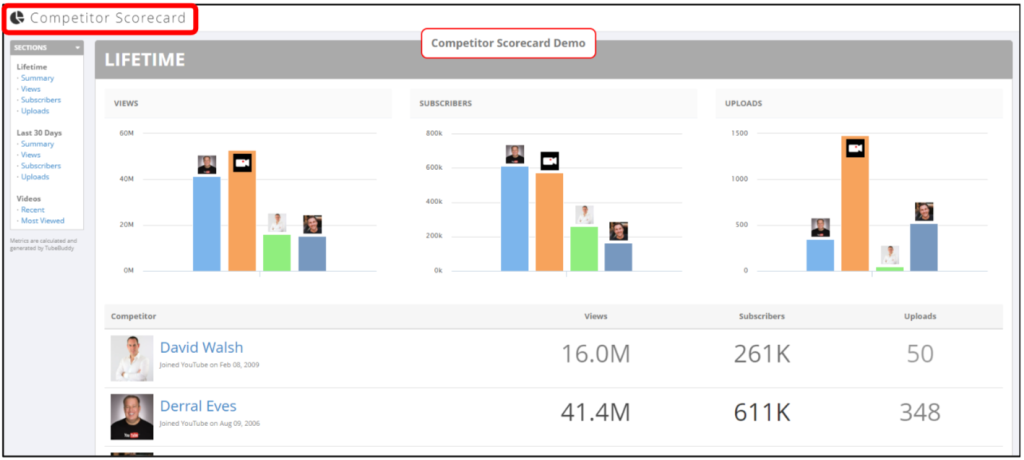
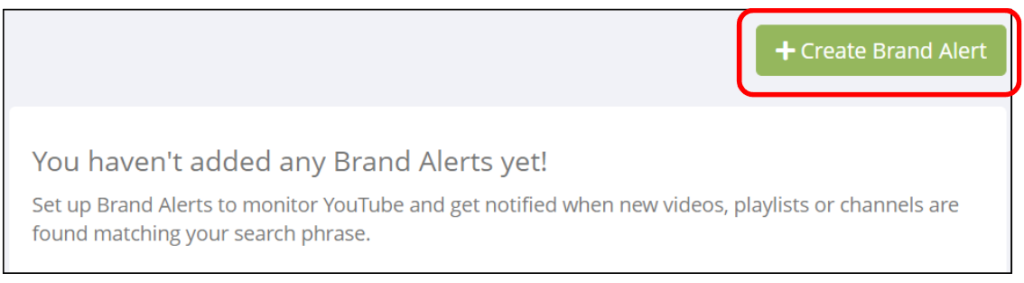
TubeBuddy, on the other hand, offers a more streamlined competitor analysis experience. Its Competitor Scorecard feature provides a side-by-side comparison of your channel with your competitors, covering metrics like video views, subscribers, and engagement rates. This straightforward presentation makes it easy to gauge how your channel stacks up against others in your niche. Additionally, TubeBuddy’s Brand Alerts tool notifies users when competitors upload new content or when specific keywords are mentioned, keeping you informed about relevant competitor activities.
Mobile App Availability and Features: VidIQ vs TubeBuddy
In today’s mobile-centric world, the availability and features of mobile apps are crucial in the “VidIQ vs TubeBuddy” comparison. For YouTube creators who are often on the move, having access to their channel’s tools via a mobile app can be a game-changer.
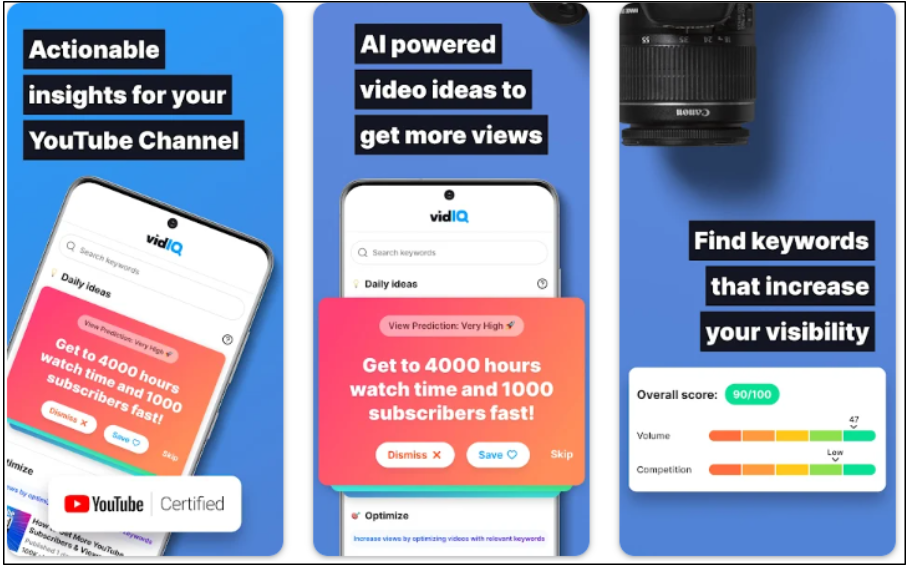
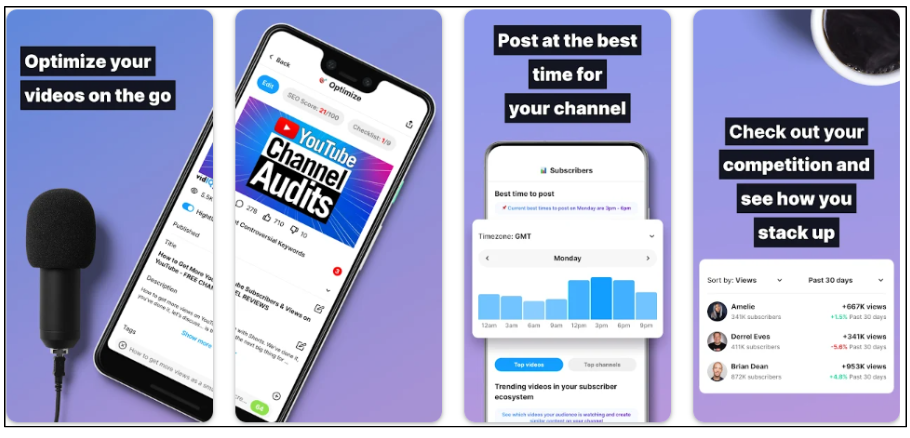
VidIQ offers a mobile app that extends many of its desktop features to mobile devices. The app provides creators with the flexibility to track their channel’s performance, including views, subscribers, and watch time, directly from their phones. One of the standout features of the VidIQ mobile app is the ability to receive real-time notifications about subscriber changes, video performance, and important milestones. This immediate access to data ensures that creators can stay informed and responsive no matter where they are. The app’s user-friendly interface also allows for quick access to competitor analytics and keyword research tools, making it a handy companion for on-the-go YouTube management.
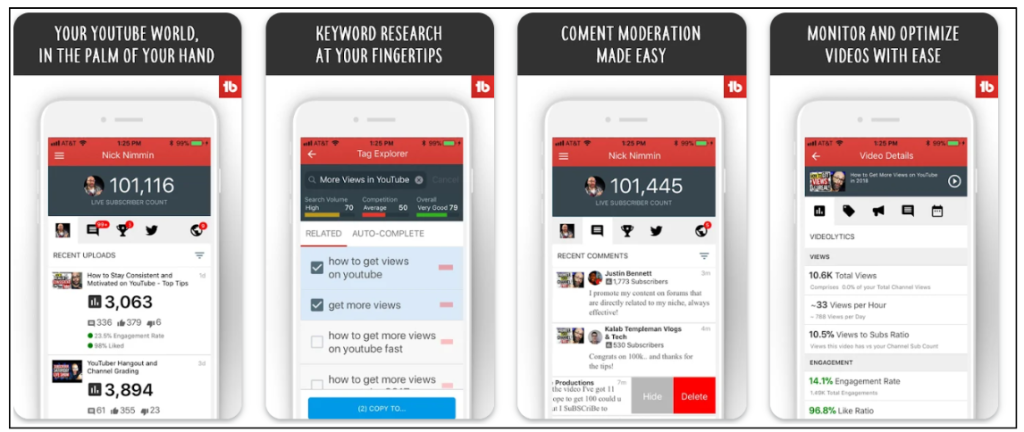
TubeBuddy’s mobile app mirrors many of the functionalities found in its browser extension, offering a comprehensive YouTube management experience on mobile devices. Key features include the ability to respond to comments, view detailed analytics, and research keywords right from your smartphone. The app also provides convenient access to video SEO tools, tag suggestions, and thumbnail generation tools. This makes it possible for creators to optimize their content and manage their channel efficiently even when away from their computer.
Both VidIQ and TubeBuddy recognize the importance of mobile accessibility, providing robust apps that bring a significant portion of their desktop functionalities to a mobile platform.
User Reviews and Feedback: VidIQ vs TubeBuddy
When considering “VidIQ vs TubeBuddy,” user reviews and feedback provide invaluable insights into how these tools perform in real-world scenarios. Evaluating what users say about their experiences can help potential users make informed decisions.
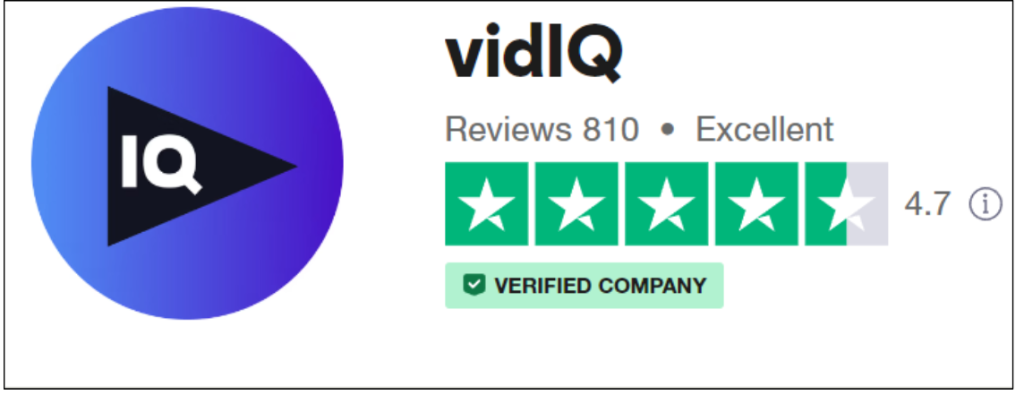
VidIQ has garnered positive feedback for its in-depth analytics and comprehensive keyword research tools. Users often commend VidIQ for its ability to provide detailed insights into YouTube’s algorithm, helping them understand and optimize their content strategy. The platform’s user interface is also frequently praised for its intuitiveness and the richness of data it provides. However, some users have mentioned a steep learning curve due to the depth of features available. This aspect tends to be more of a concern for beginners rather than experienced users.
TubeBuddy generally receives acclaim for its user-friendly interface and practical tools that simplify the YouTube management process. Users appreciate the seamless integration of TubeBuddy with YouTube, making tasks like keyword research, tag management, and video optimization more accessible. The mobile app of TubeBuddy is also well-received, offering flexibility and convenience for on-the-go channel management. Some feedback indicates a desire for more advanced features, similar to what VidIQ offers, but overall, TubeBuddy is highly regarded for its efficiency and ease of use.
Both VidIQ and TubeBuddy have strong reputations in their respective areas, with VidIQ being favoured for its detailed analytics and TubeBuddy for its simplicity and user-friendly approach.
Final Verdict and Recommendations: VidIQ vs TubeBuddy
In concluding the “VidIQ vs TubeBuddy” comparison, it’s essential to summarize the key points and provide a final verdict and recommendations based on the analysis of both tools.

VidIQ stands out for its comprehensive analytics, detailed keyword research capabilities, and in-depth YouTube SEO tools. It is particularly well-suited for creators and businesses who are data-driven and seek to dive deep into analytics to refine their content strategy. VidIQ’s detailed insights into YouTube’s algorithm and competitor analysis tools make it a valuable asset for those aiming to grow their channels strategically. However, its extensive features might be overwhelming for beginners or those who prefer a more straightforward approach.
TubeBuddy, on the other hand, is renowned for its user-friendly interface and practicality. It excels in simplifying the process of content management and optimization on YouTube. With its direct integration into the YouTube interface and a range of efficient tools, TubeBuddy is ideal for creators who value ease of use and time-saving features. Its mobile app further enhances its appeal by providing flexibility in channel management. TubeBuddy might be more appealing to those who are new to YouTube content creation or who prefer an intuitive and accessible toolset.
Final Recommendations:
- For creators or those who prefer a simple, user-friendly tool to assist with basic optimization and channel management, TubeBuddy is highly recommended.
- For those who rely heavily on data and detailed analytics to drive their content strategy, VidIQ offers the depth and breadth of features needed to make informed decisions.